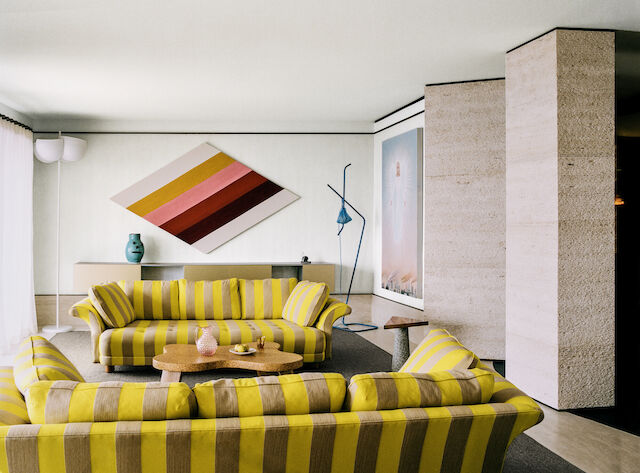
High‑end interior designer in Paris 16th arrondissement
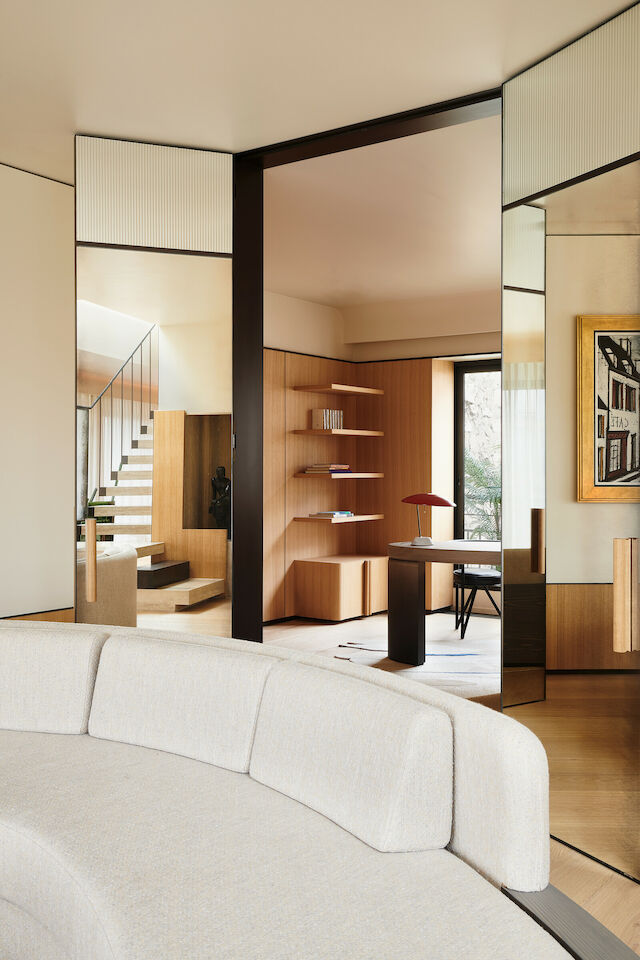
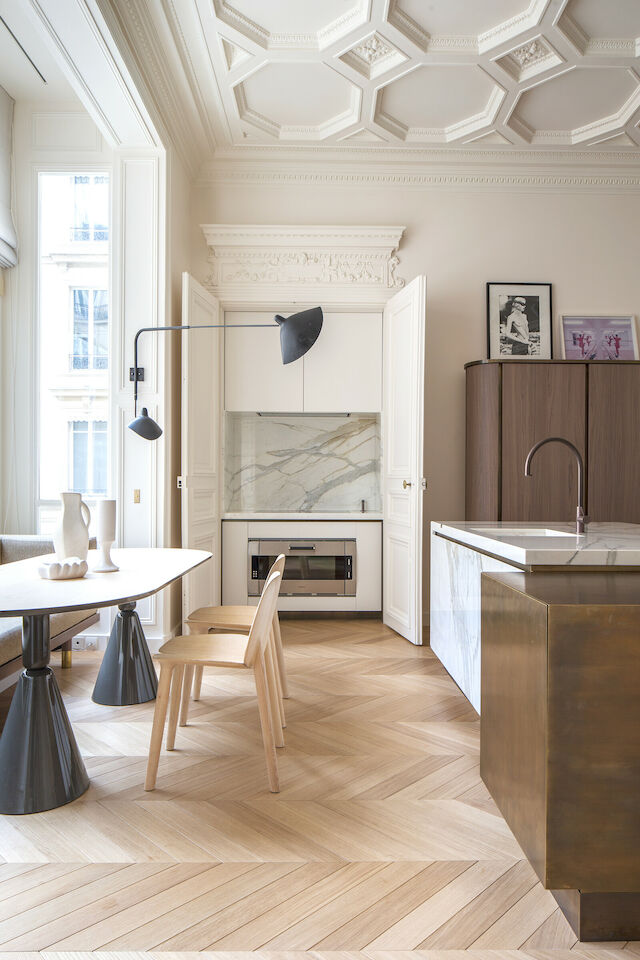
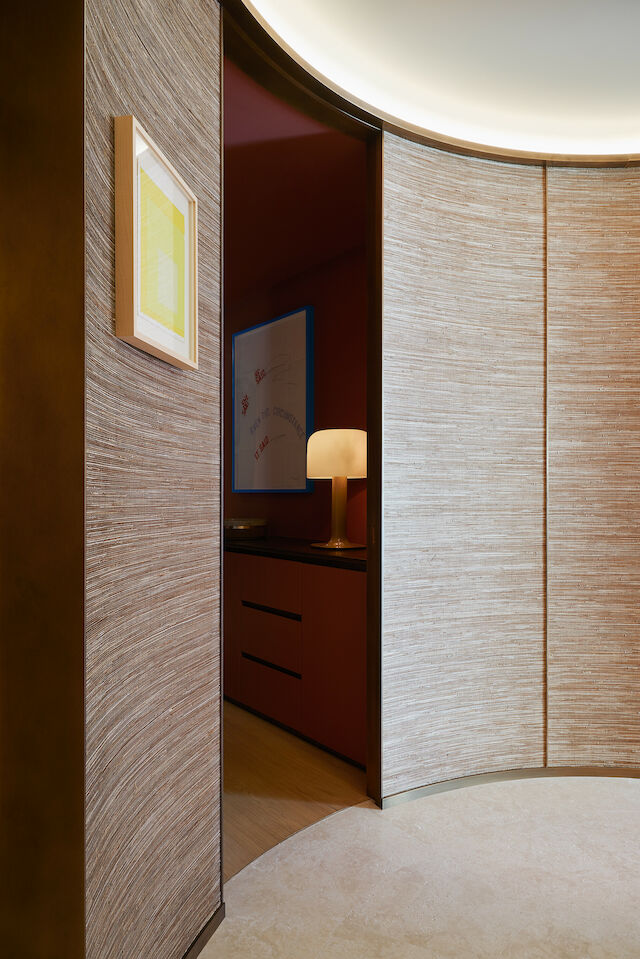
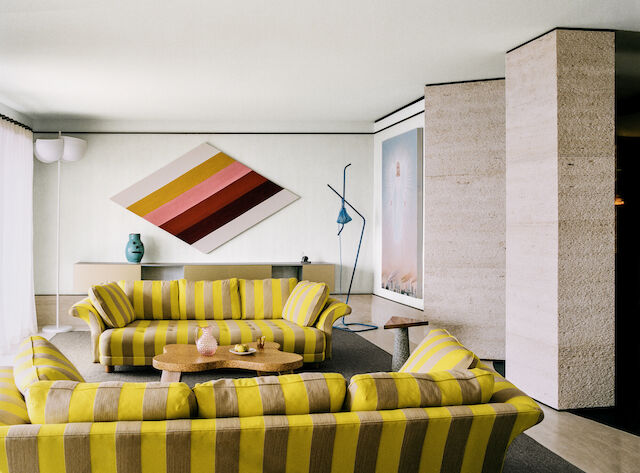
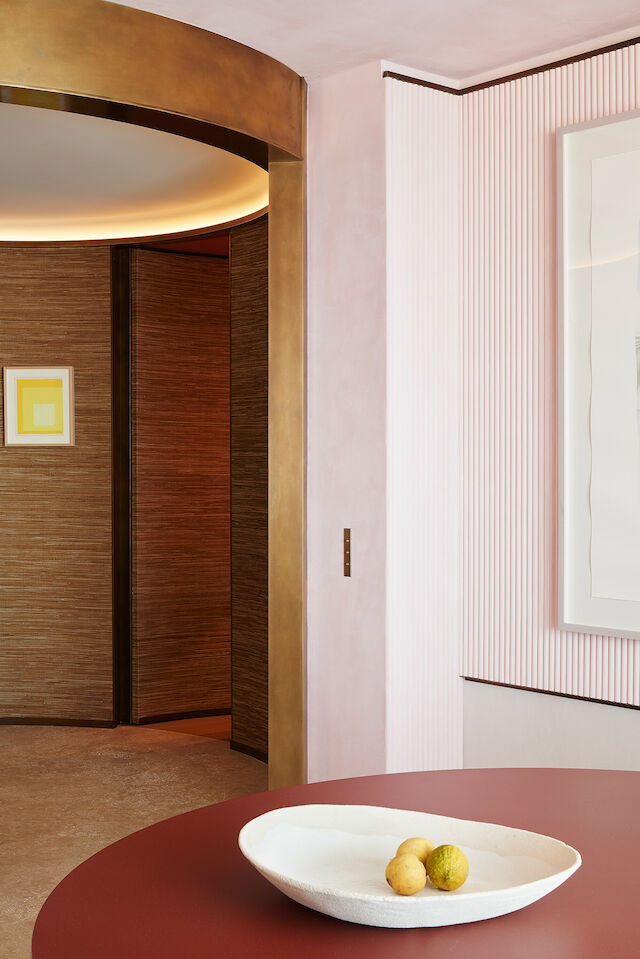
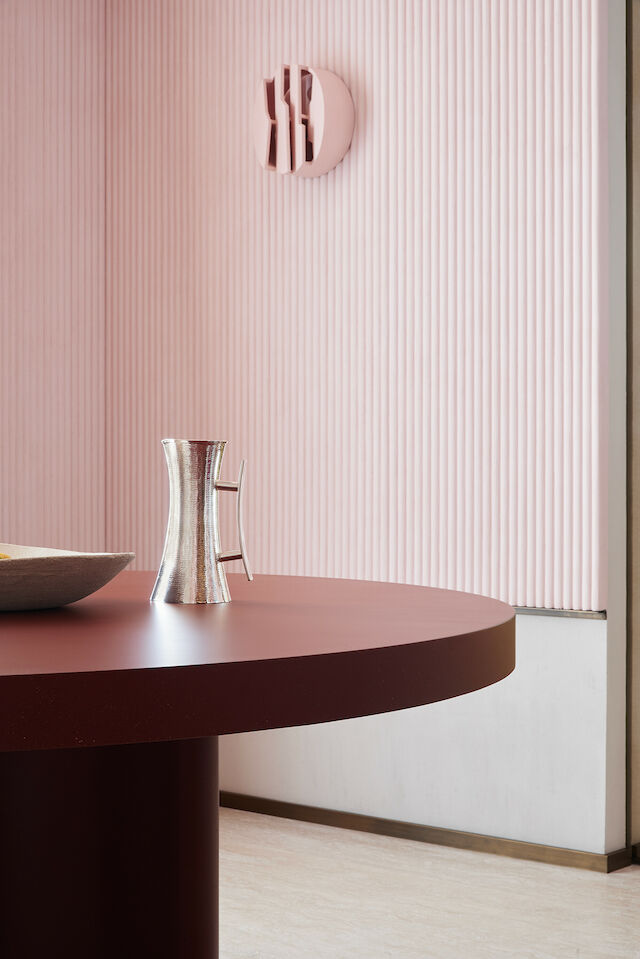
Luxury interior designer Paris 16: high-end standards with Rodolphe Parente
The 16th arrondissement of Paris brings together many of the codes of Parisian luxury: cut-stone buildings, apartments with generous volumes, iconic addresses such as Trocadéro, Passy, La Muette, Victor Hugo, Dauphine and Auteuil, private mansions, open views, and very high expectations in terms of comfort, discretion and finishes.
In this environment, working with an interior designer specialized in high-end projects is not a secondary detail. It is the condition for creating an interior that is coherent, long-lasting, perfectly executed and genuinely pleasant to live in.
Rodolphe Parente runs a Paris-based studio, founded in 2009 after several years working alongside Andrée Putman, with a practice that combines interior architecture and design. The studio works on premium residential projects as well as public-facing spaces such as hotels and restaurants. This allows an apartment in Paris’s 16th arrondissement to benefit from the functional precision and attention to detail associated with hospitality, while preserving the intimate, bespoke dimension of a private interior.
Paris 16th arrondissement: an area that requires particular precision
Interior design projects in the 16th arrondissement of Paris often share several characteristics:
- A strong existing architectural identity: mouldings, fireplaces, parquet flooring, ceiling heights, enfilades and joinery.
- Large volumes that require true orchestration: rhythm, proportions and transitions.
- A high level of calm and comfort: acoustics, lighting, circulation and storage.
- An expectation of discreet luxury: elegance must be felt, without demonstrative effects.
In this context, luxury is rarely built through accumulation. It lies in overall balance, the quality of materials, the precision of details and the coherence between layout, atmosphere and use.
What “high-end” and “luxury” mean in interior design in Paris 16
A high-end interior in Paris 16 is not defined only by expensive materials. It is based on very concrete fundamentals:
- A fluid, readable layout that reflects real daily life.
- Lighting designed as a scenario: daytime, evening, entertaining, intimacy.
- Controlled acoustic comfort: reverberation, street noise, neighbouring properties.
- Materials chosen for their patina and ease of maintenance.
- Impeccable execution: junctions, alignments, ironmongery, thresholds and finishes.
The expected result is a place that feels obvious, where everything falls into place, and where quality is immediately perceived without overload.
A key reference in the 16th arrondissement: the Trocadéro apartment
When discussing high-end interior design in Paris 16, the Trocadéro area is a strong marker. Rodolphe Parente designed a widely published apartment project there, described as the complete renovation of a large apartment, combining an Art Deco spirit with later decorative references.
The apartment is located in the Trocadéro area, in a stone building, with large volumes and decorative features such as mouldings, coffered ceilings and fireplaces.
This type of project reveals a high level of expertise for three reasons:
- Large volumes require a clear direction throughout the entire apartment, not only in a few rooms.
- An older property requires a respectful reading: if the intervention is too timid, the whole place remains dated; if it is too brutal, the apartment loses its character.
- The level of finish expected at these addresses allows no approximation.
Ranelagh project, Paris 16: a 250 m² apartment designed with a bespoke approach
In the 16th arrondissement, the Ranelagh project illustrates a high-end approach applied to a large Parisian apartment: interior architecture and decoration for a 250 m² apartment, with careful attention to overall coherence — volumes, materials, lighting and details — to achieve lasting elegance without overload.
High-end hospitality: Le Provençal in Giens, complete renovation
The studio presents the complete renovation of Le Provençal hotel in Giens as a 44-room project.
In hospitality, interior architecture is constantly tested: materials are heavily used, maintenance matters, comfort must be immediate, overall coherence is essential, and the perception of standing is decisive.
This culture of exacting standards translates very well to an apartment in Paris 16, where the same level of precision is expected in finishes, lighting, joinery, bathrooms and storage.
For an apartment in the 16th arrondissement: what interior design can change
In Paris 16, client requests often converge around the same goals: modernize without making the place generic, preserve the prestige of the existing architecture, improve comfort and functionality, and create timeless elegance.
Rethinking the layout without damaging the DNA
In older apartments, value often lies in the floor plan: the entrance, circulation, reception areas, separation between day and night spaces, children’s bedrooms and bathrooms.
A high-end project usually aims to create:
- more fluid circulation
- more natural transitions between spaces
- a better balance between reception and privacy
- integrated functions such as dressing rooms, laundry areas and invisible storage
Luxury is felt when the apartment is simple to live in, without uncomfortable or unused areas.
Working with light as an architectural element
In the 16th arrondissement, natural light varies greatly depending on the street, orientation, floor and overlooking views. Artificial lighting must therefore be designed in layers:
- ambient lighting: indirect and soft
- functional lighting: reading, kitchen, office
- accent lighting: artworks, textures, volumes
A high-end interior does not have one single atmosphere. It has several moments.
Improving acoustic comfort
Calm is a marker of luxury. In a large Parisian apartment, acoustics can be addressed through the choice of coverings, textiles, joinery, certain ceiling treatments, and the organization of the rooms, especially to avoid noisy areas affecting the sleeping quarters.
Designing bathrooms and kitchens to the expected standard
In high-end interiors, these rooms must never feel like additions. They must be architectural: proportions, materials, ironmongery, lines, integration, lighting and durability all matter.
A method adapted to high-end projects in Paris 16
A luxury project cannot be managed by intuition alone. Success depends on a method that protects coherence, decision-making and final quality.
Reading the place and setting a precise brief
The first step is to understand the existing property — structure, technical constraints, potential — and define the expectations: lifestyle, entertaining, storage needs, level of personalization, presence of art or design pieces.
The studio relies on a global vision between interior architecture and design, acquired through its training and strengthened by a cross-disciplinary practice.
In practical terms, this helps maintain a consistent line throughout the apartment: materials, palette, lighting, furniture and details.
Details, bespoke work and finishes
In an apartment in Paris’s 16th arrondissement, bespoke design is often key: dressing rooms, libraries, wall panelling, technical integration and signature pieces. It is also what prevents a standardized effect and creates a genuinely personal interior.
In Paris 16, a successful high-end project respects the existing architecture while making it fully contemporary in use: layout, lighting, comfort, materials and finishes. The objective is not to overplay luxury, but to make it feel self-evident.
With a studio founded in Paris in 2009, a culture of interior architecture and design, and references covering both premium residential projects — including a project in Trocadéro — and high-end hospitality, such as hotels and restaurants, Rodolphe Parente is naturally positioned for interior design projects in Paris 16: discretion, precision, coherence and attention to detail.